

apex-support
Managing complex health needs while maintaining independence can be challenging for people living with disabilities. Some NDIS participants require more than everyday assistance. They may need professional nursing care, regular health monitoring, medication management and clinical support to maintain their health, safety and overall wellbeing.
This is where NDIS nursing services play an important role.
For participants and families looking for NDIS nursing support in Melbourne or Hobart, understanding what registered nurses do, when nursing assistance may be required and how clinical care fits into an NDIS support plan can help make informed decisions.
At Apex Support, we provide personalised NDIS support, including registered nursing and psychiatric nursing services for participants with complex clinical and mental health needs. Our approach focuses on individual requirements, continuity of care, safety and supporting participants to maintain greater independence.
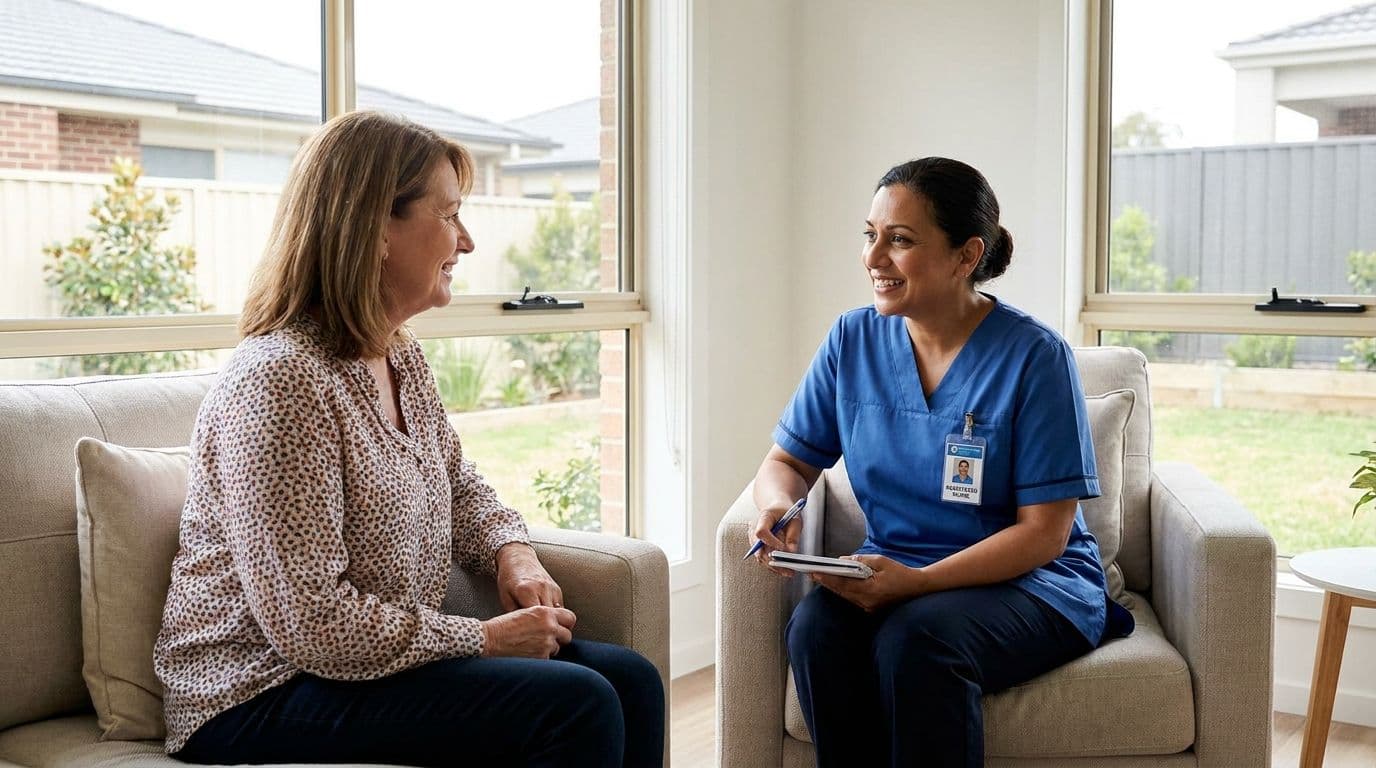
What Is NDIS Nursing Support?
NDIS nursing support involves professional clinical assistance for eligible participants who have disability-related health needs requiring the skills and knowledge of a qualified nurse.
Unlike general disability support, which focuses on everyday activities and independence, nursing services involve clinical responsibilities that require professional qualifications and appropriate nursing expertise.
Depending on an individual's needs and approved supports, NDIS nursing services may include:
- Medication administration and management.
- Monitoring physical and mental health conditions.
- Clinical assessments and health observations.
- Assistance with complex healthcare requirements.
- Monitoring changes in health and wellbeing.
- Coordinating care with GPs and other healthcare professionals.
- Supporting participants with complex or ongoing clinical needs.
The type and frequency of nursing assistance depend on individual circumstances, clinical requirements and applicable NDIS funding arrangements.
Participants looking for comprehensive NDIS nursing and registered nurse support can explore how professional nursing care may support their daily lives.
What Services Can an NDIS Registered Nurse Provide?
Registered nurses play an important role in helping people with complex health needs receive appropriate clinical assistance. Their responsibilities are based on their qualifications, professional scope of practice and the participant's individual care requirements.
Here are some important areas where nursing support can make a difference.
1. Medication Management and Administration
Managing medications can become complicated for individuals who require multiple prescriptions or ongoing treatment.
A registered nurse can assist with medication-related clinical responsibilities, including administration, monitoring for potential side effects and following prescribed medication instructions.
Professional medication support can help participants maintain consistent routines while reducing the risks associated with incorrect medication use.
This is particularly important for individuals who require regular clinical supervision or have complex health conditions.
2. Regular Health Monitoring
Changes in physical or mental health can sometimes develop gradually. Regular monitoring helps identify changes that may require further clinical assessment.
Depending on the participant's care requirements, nursing support may involve monitoring vital signs, observing symptoms, assessing changes in general wellbeing and communicating relevant concerns to the treating healthcare team.
This proactive approach can help participants and their families stay informed about their health requirements.
3. Support for Complex Health Needs
Some NDIS participants require specialised clinical assistance because of ongoing disability-related health conditions.
These needs may involve complex medication routines, ongoing health observations, clinical procedures or assistance with multiple healthcare requirements.
A registered nurse can provide appropriate clinical support within their professional scope and individual care plan.
For participants requiring continuous or more specialised assistance, 24/7 registered nursing and psychiatric nursing support can help provide consistency and reassurance.
4. Mental Health and Emotional Wellbeing
Physical health and mental wellbeing are closely connected. People living with psychosocial disabilities or complex mental health conditions may require coordinated clinical and emotional support.
Psychiatric nurses can assist with mental health monitoring, medication-related care, recognising changes in behaviour and responding appropriately to situations involving increased distress.
At Apex Support, nursing care can work alongside specialised mental health and psychosocial disability support to provide a more coordinated approach to individual wellbeing.
5. Communication with Healthcare Professionals
Good communication between healthcare professionals is important when participants have multiple support requirements.
Registered nurses may collaborate with GPs, psychiatrists, allied health professionals, families and other members of a participant's support network.
This helps ensure that relevant clinical information is communicated and that nursing support remains consistent with the participant's healthcare requirements.
When Might an NDIS Participant Need Nursing Support?
Not every NDIS participant requires professional nursing assistance. However, people with complex disability-related health needs may benefit from nursing services when their care requirements go beyond what general support workers can provide.
Some situations where nursing support may be appropriate include:
- Participants who require assistance with prescribed medication administration.
- Individuals who need ongoing clinical health monitoring.
- People with complex physical or mental health needs.
- Participants who require specialised clinical procedures.
- Individuals who need professional nursing assistance alongside supported accommodation.
- People who require additional clinical supervision to maintain health and safety.
The need for nursing support should be determined by an appropriate clinical assessment and the participant's individual circumstances.
If you are unsure whether nursing assistance is appropriate, understanding when psychiatric nursing support may be needed under the NDIS can provide additional guidance.
NDIS Nursing Support at Home and in Supported Accommodation
Receiving nursing assistance in a familiar environment can make healthcare routines more manageable for some participants.
Depending on individual requirements and service arrangements, nursing support may be coordinated around a participant's home environment or supported accommodation.
Nursing Support at Home
In-home nursing assistance allows eligible participants to receive clinical support within their own living environment.
This can be beneficial for people who require regular medication assistance, health monitoring or ongoing clinical care but prefer to remain in familiar surroundings.
Personalised nursing arrangements can also help participants maintain daily routines and work towards their individual independence goals.
Nursing Support in Supported Independent Living
Some participants living in Supported Independent Living (SIL) arrangements have additional clinical or mental health requirements.
When appropriate, nursing services can complement everyday disability support by addressing clinical needs that require qualified nursing professionals.
Apex Support provides Supported Independent Living in Melbourne and Hobart, with a focus on helping participants develop independence while receiving appropriate assistance.
Combining suitable accommodation, everyday support and professional nursing care can help create a more coordinated support environment.
Why Mental Health Nursing Is Important for NDIS Participants
Mental health nursing is an important part of disability support for individuals who experience complex psychological and psychosocial challenges.
Some participants require ongoing assistance to manage mental health conditions, maintain medication routines and recognise changes in their wellbeing.
Psychiatric nurses can provide specialised clinical assistance that complements other mental health and disability services.
Depending on the participant's needs, this may involve:
- Monitoring mental health and changes in wellbeing.
- Supporting prescribed medication routines.
- Identifying potential signs of increased distress.
- Assisting with appropriate crisis response.
- Working with treating mental health professionals.
- Supporting consistent and structured care routines.
Mental health nursing should also recognise the importance of dignity, personal choice and recovery-oriented support.
Participants can benefit from a coordinated approach that combines clinical assistance with personalised mental health support.
Explore our approach to specialised mental health care and recovery-focused support to understand how different services can work together.
How NDIS Nursing Services Work Alongside Other Disability Supports
Nursing assistance is often one component of a participant's wider disability support arrangement.
People with complex needs may require different services to address clinical health requirements, daily living activities, social participation and independence.
At Apex Support, our broader support services can complement nursing assistance where appropriate.
Support Coordination
Managing multiple services, providers and funding arrangements can be confusing.
NDIS Support Coordination helps participants understand their plans, connect with suitable providers and coordinate their support arrangements.
Community Participation
Maintaining social connections and participating in meaningful activities are important parts of everyday wellbeing.
Our community access and participation support helps participants engage in recreational, social and community activities according to their interests and goals.
Respite Support
Families and informal carers sometimes need additional time to rest and manage their own responsibilities.
NDIS respite support provides opportunities for participants and carers to receive temporary support while maintaining appropriate care arrangements.
Life Stage Transitions
Changes in living arrangements, education, employment and personal circumstances can create additional support requirements.
Our life stage and transition assistance helps participants navigate these changes while developing confidence and independence.
Social and Emotional Support
Participants may also benefit from assistance with advocacy, relationships, emotional wellbeing and navigating complex personal circumstances.
Our qualified social worker support complements broader disability support by addressing individual and social challenges.
NDIS Nursing Services in Melbourne
Finding suitable nursing support in Melbourne is important for NDIS participants who require professional clinical assistance.
Apex Support provides registered nursing and psychiatric nursing support across Melbourne, with services designed around individual clinical requirements and personal goals.
Our Melbourne team supports participants who may need medication assistance, ongoing health monitoring, specialised mental health nursing and clinical support for complex needs.
We work towards providing a person-centred approach that recognises individual preferences, health requirements and the importance of maintaining independence.
Whether you are a participant, family member or support coordinator looking for NDIS nursing services in Melbourne, you can explore our Melbourne disability and nursing support services.
NDIS Nursing Services in Hobart
Participants and families in Hobart may also require specialised nursing assistance to manage complex health and mental health needs.
Apex Support provides NDIS nursing and psychiatric nursing services across Hobart and surrounding areas, including Glenorchy.
Our approach focuses on personalised clinical care, health monitoring, medication assistance and coordinated support based on each participant's requirements.
We understand that every participant has different goals and circumstances. Nursing arrangements should therefore reflect individual clinical needs while respecting personal preferences and independence.
If you are searching for NDIS nursing support in Hobart, discover our local disability and nursing support services in Hobart.
How to Choose the Right NDIS Nursing Provider
Selecting a suitable nursing provider is an important decision, particularly when a participant has complex or ongoing clinical requirements.
Before choosing a provider, consider the following factors:
Qualified Nursing Professionals: Check that the nursing professionals providing clinical care hold appropriate qualifications and current registration.
Experience with Complex Needs: Consider whether the provider has experience supporting participants with similar clinical or mental health requirements.
Personalised Care Planning: Nursing arrangements should reflect individual health requirements, preferences and NDIS goals.
Communication and Coordination: A suitable provider should communicate effectively with participants, families and relevant healthcare professionals.
Service Availability: Consider whether the provider can accommodate the required level of nursing support and scheduling arrangements.
Registered NDIS Provider: Check the provider's registration and relevant approved service scope.
As a registered NDIS provider, Apex Support focuses on personalised disability support and specialised nursing care across Melbourne and Hobart.
You can learn more about our experience and person-centred approach to disability support before discussing your requirements with our team.
How to Access NDIS Nursing Support
Accessing nursing services through the NDIS involves understanding your disability-related clinical requirements and available funding.
Here are some practical steps to consider:
- Identify Your Clinical Requirements: Discuss your health needs with your treating healthcare professionals to determine whether registered nursing assistance is required.
- Review Your NDIS Plan: Check the supports and funding available in your plan and whether nursing assistance may be included.
- Obtain Relevant Clinical Documentation: Reports from your treating professionals can help explain the nature, frequency and purpose of the nursing support required.
- Contact a Suitable Provider: Discuss your needs, clinical requirements and available service arrangements with a registered NDIS provider.
- Develop a Personalised Support Arrangement: Work with the provider and relevant healthcare professionals to establish suitable nursing support.
NDIS funding is subject to eligibility, reasonable and necessary requirements, applicable funding rules and the participant's individual plan. Not every healthcare service is automatically funded through the NDIS.
If you need assistance understanding your available support options, contact Apex Support to discuss your NDIS requirements.
Frequently Asked Questions About NDIS Nursing Services
What is included in NDIS nursing services?
NDIS nursing services may include medication administration, clinical assessments, health monitoring, nursing procedures and support for complex disability-related health needs. The specific services depend on individual requirements and the nurse's professional scope.
Can I receive NDIS nursing support at home?
Yes. Eligible participants may receive nursing support in their home where the service is appropriate, disability-related and consistent with their NDIS funding arrangements.
Does the NDIS cover registered nurses?
The NDIS may fund nursing support when it relates to a participant's disability-related needs and meets applicable funding requirements. Funding depends on individual circumstances and the participant's plan.
What is the difference between a support worker and a registered nurse?
A disability support worker assists with everyday activities, personal care and independence. A registered nurse is a qualified healthcare professional who can perform clinical assessments, medication administration and other nursing responsibilities within their scope of practice.
Can NDIS nursing support include mental health care?
Yes. Participants with complex mental health and psychosocial disability-related needs may require specialised psychiatric nursing assistance, including mental health monitoring, medication-related care and clinical support.
Is 24/7 nursing support available in Melbourne and Hobart?
Apex Support offers 24/7 registered nursing and psychiatric nursing support across Melbourne and Hobart. The appropriate arrangements depend on individual clinical requirements and service planning.
How do I find an NDIS nursing provider in Melbourne or Hobart?
Look for a registered provider with appropriately qualified nursing professionals, experience in complex clinical care, suitable service availability and a person-centred approach. You can contact Apex Support to discuss nursing requirements in Melbourne and Hobart.
Get Personalised NDIS Nursing Support with Apex Support
Accessing the right nursing assistance can make an important difference for people managing complex disability-related health requirements.
From medication management and health monitoring to specialised psychiatric nursing and coordinated clinical support, professional nursing services can help participants maintain their wellbeing and work towards greater independence.
At Apex Support, we are committed to delivering personalised NDIS support across Melbourne and Hobart. Our team works with participants, families and support networks to understand individual requirements and explore suitable nursing arrangements.
Whether you are looking for registered nursing support, psychiatric nursing or assistance coordinating broader disability services, we are here to help.
Contact Apex Support today to discuss your nursing support requirements.
Phone: 1800 358 688
Email: info@apexsupport.com.au
Melbourne: 36 Darmain Dr, Greenvale VIC 3059
Hobart: 3/24 Elwick Road, Glenorchy TAS 7010
Get in touch with our team to discuss your support needs and take the next step towards personalised care.
